TL;DR
If Medallia feels too heavy for your CX team’s budget, setup, or everyday workflow, you’re not alone. Many mid-market and digital-first teams need a clearer path from feedback to insight to follow-up, not a full enterprise VoC rollout.
In this guide I compare eight Medallia alternatives through one lens: which tools help CX teams not just collect NPS, CSAT, and CES scores, but turn them into action across the tools their teams already use. I cover setup speed, integration depth, AI analysis, and what each tool actually costs for a non-enterprise CX function.
Why are CX teams leaving Medallia?
The CX platform market shifted in 2026. Medallia changed private equity hands after Thoma Bravo wrote down the acquisition significantly. InMoment was acquired by Press Ganey Forsta, which then entered an agreement to be absorbed by Qualtrics.
And Delighted, one of the most popular lightweight NPS tools, was given a June 30, 2026 shutdown date as part of Qualtrics’ product consolidation. For CX leaders evaluating their toolstack, the timing feels right.
Even before this volatility, CX teams had clear reasons to look at Medallia alternatives. Based on G2 and Capterra review data, the most consistent complaints fall into four buckets.
Price and opacity. Medallia contracts typically start in the six-figure range annually, built around a per-Experience Data Record pricing model. Most mid-market teams can't justify that spend, especially before a CX program is fully operational.
Long implementation timelines. G2 reviewers often point to complex setup and the need for additional support. For lean CX teams, that can mean a long gap between budget approval and the first usable insight.
Configuration rigidity. Multiple reviewers flag the difficulty of making simple survey changes without support tickets or contracted service hours.
AI analysis takes longer to act on. Medallia has text analytics, but newer tools make it easier to turn open-ended feedback into clear themes, summaries, and next actions without heavy setup.
None of this makes Medallia a bad platform for the right buyer. For an enterprise running omnichannel CX programs across dozens of markets with a dedicated CX operations team, Medallia's capabilities can be worth the investment. For most CX teams at SaaS companies, digital brands, or mid-market businesses, there are more accessible options.
If you want to understand how to pick the right customer experience metrics for your program before choosing a platform, that's worth reading first.
How I put this comparison together
This comparison covers one angle: CX teams that track customer satisfaction (NPS, CSAT, CES) and need to close the feedback loop across digital channels.
Disclosure: I’m writing this as part of the Survicate team, and Survicate appears in this comparison. I’ve still treated it like the rest of the list: useful in some cases, not the right fit in others, and worth judging by the same practical CX criteria. Listed brands are not placed in order of importance or ranking of any sort.
What I looked for
For each tool, I evaluated:
- Core CX metric support: NPS, CSAT, CES
- Survey distribution channels and behavioral targeting
- Integrations with CX and CS tools (Zendesk, Intercom, HubSpot, Salesforce)
- AI-assisted analysis and reporting depth
- Pricing transparency and accessibility for non-enterprise teams
- Customer support quality based on third-party review data
How I validated the claims
Review data comes from G2 and Capterra. I also referenced Reddit discussions where CX practitioners describe switching decisions, and checked each vendor's public pricing and feature pages to confirm what's included at each tier. Where pricing is custom or not publicly listed, I reference figures cited in verified G2 reviews and published industry estimates.
8 Medallia alternatives CX teams are actually switching to
Survicate: Feedback collection, AI analysis, and closed-loop routing for fast-moving CX teams
Survicate is a customer feedback platform built for CX, product, and marketing teams that need to collect NPS, CSAT, CES, and custom feedback across digital channels, analyze recurring themes, and route insights back into the tools they already use.
Where it differs most from Medallia in everyday feedback workflows is speed and self-serve access. You can launch a CSAT survey tied to a Zendesk ticket close or an NPS survey triggered after a key lifecycle milestone without turning it into an implementation project.
What does Survicate do?
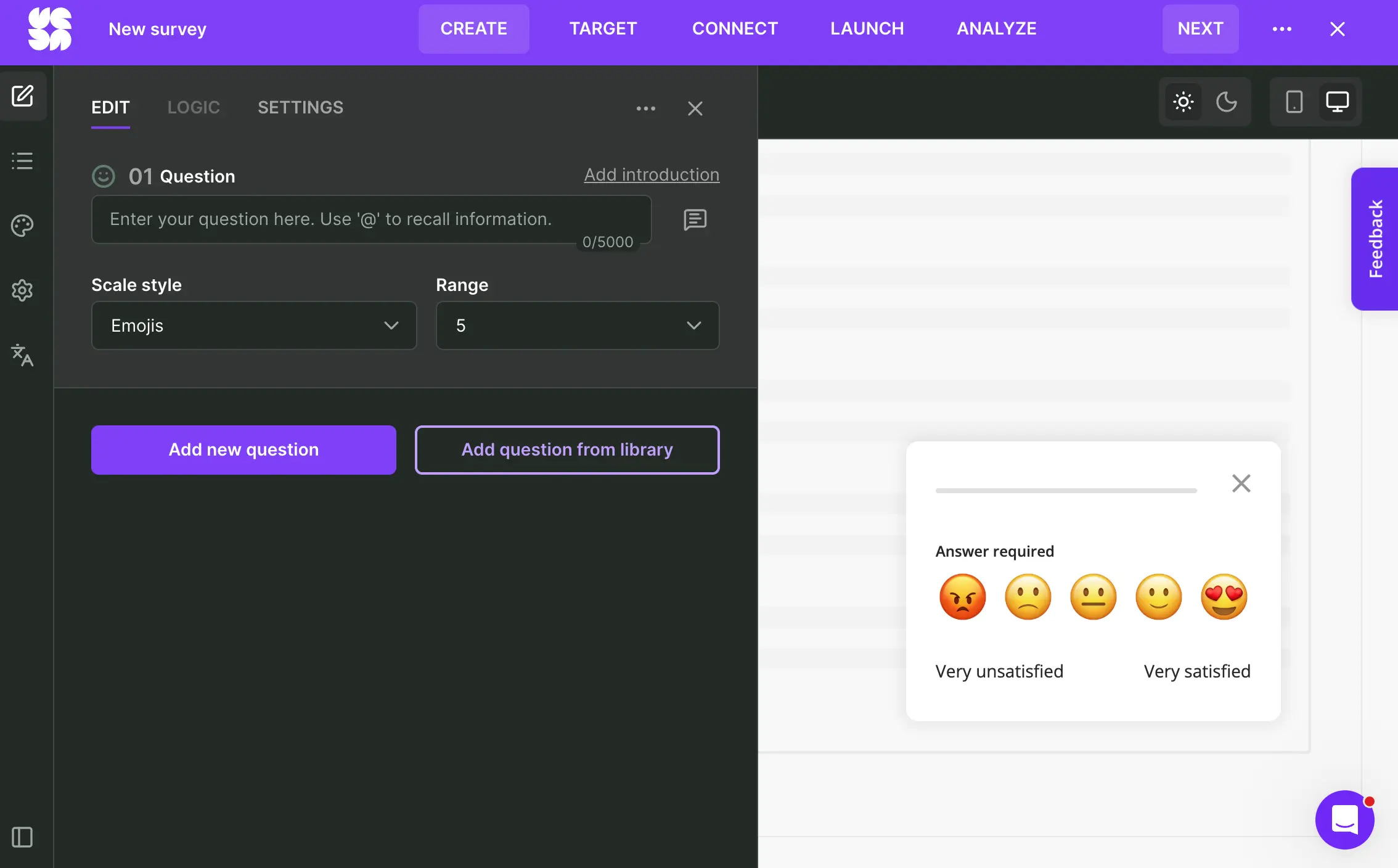
Survicate helps CX teams collect feedback across website, in-product, mobile app, link, and email-embedded surveys, then analyze responses and trigger follow-up in the tools they already use. The platform covers survey creation (NPS, CSAT, CES), behavioral targeting, AI-assisted analysis, and automated workflows.
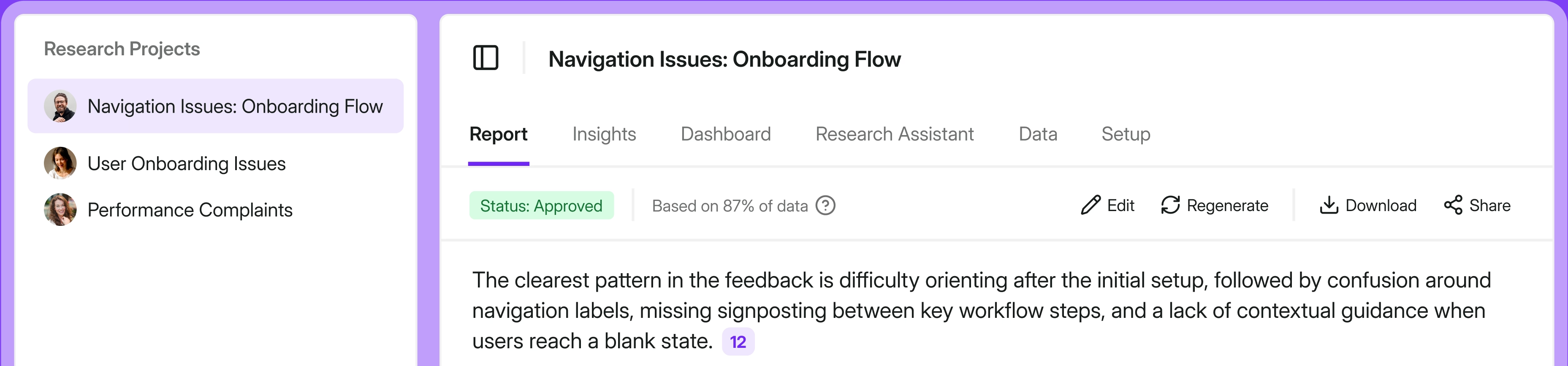
Beyond surveys, the Research Hub acts as a feedback repository, pulling in responses from surveys, support transcripts, call recordings, and app store reviews. The AI Research Assistant lets you query your full feedback corpus and get instant answers tied to actual customer quotes, without manual tagging.
Who is Survicate primarily for?
CX managers and customer success teams at SaaS companies, digital brands, and e-commerce businesses who want to track satisfaction across touchpoints and route feedback automatically into their CRM. Survicate fits best when CX data needs to reach tools like HubSpot, Intercom, Zendesk, Braze, or Salesforce in real time.
What's Survicate's ease of use?
It scores 9.3/10 on ease of use and 9.1/10 on ease of setup on G2, both higher than Medallia and Qualtrics. CX teams can have their first NPS or CSAT survey live the same day they sign up. No implementation partner required.
What's Survicate's customer support like?
Human live chat support with no bots, a published 97% satisfaction rate, and a median first response time under two minutes. G2 reviewers consistently mention the support team as a deciding factor when choosing Survicate over more expensive alternatives.
What are the main pros of Survicate?
- NPS, CSAT, and CES across all channels: web, in-app, email, mobile, and link
- Behavioral targeting and survey logic to reach the right users at the right moment
- 40+ native integrations: Zendesk, HubSpot, Intercom, Salesforce, Braze, Amplitude, and more
- Research Hub aggregates survey responses with external feedback sources (support tickets, reviews, call recordings)
- AI Research Assistant surfaces patterns and themes from open-ended responses without manual analysis
- Transparent pricing with a free trial covering all pro features
- HIPAA compliance and ISO 27001 certification
What are the main cons of Survicate?
- While supporting native email survey sending, it lacks support for more advanced email sending rules and logic, such as automated follow-ups, A/B testing, and recurring email surveys
- Some G2 reviewers note character limits in certain settings and limited question variety on lower tiers
- Not a full enterprise VoC suite; lacks Medallia-level contact center analytics or employee experience modules
Pricing
Starts from $56/month (Growth plan, billed annually). A 10-day free trial covers Pro plan features with no card required.
My hot take: How does it compare to Medallia for CX teams?
For most CX teams evaluating this list, Survicate covers the core of what actually matters: running NPS, CSAT, and CES at the moments that drive loyalty, connecting scores to your CS stack, and understanding open-ended feedback without spending hours manually reviewing responses.
Medallia makes more sense if you manage CX at a large company, need contact center analytics at scale, or have a dedicated internal team to manage a complex platform. For a CX function of a few people responsible for customer satisfaction metrics, Medallia's setup timeline may absorb the team's entire quarter before a single insight arrives.
Survicate won't be the right fit for everyone. Here's when you should pick someone else.
I know Survicate from the inside, so I also know when it’s not the best tool for the job. Here’s when I’d recommend looking at a different option.
If your CX program is contact center-first. Survicate, with its surveys, embedded widgets and lifecycle-triggered questions, is built for digital feedback. If your richest customer feedback lives in call recordings and agent transcripts at scale, you need a contact center analytics tool, and Survicate isn't that.
If you need full-service VoC program management. Some CX teams, especially in retail or hospitality, don't have the bandwidth to run their own program. Both InMoment and Qualtrics offer managed service options where a team of CX consultants helps you design, run, and analyze your program. Survicate is self-serve.
If your business is offline and service-focused (healthcare, home services, automotive). AskNicely is built specifically for these contexts, with frontline coaching tools and a mobile app designed for non-desk workers. For a business where customer experience is driven by people in the field, AskNicely fits better.
Qualtrics XM: Enterprise CX research for programs that need research-grade depth
Qualtrics is the other name that often comes up in enterprise CX conversations alongside Medallia. It captures customer signals across surveys, digital behavior, and service interactions, then turns them into AI-assisted insights and workflows for enterprise CX teams.
Worth noting: InMoment, another tool on this list, has been absorbed into the Qualtrics family following a 2025 acquisition chain. That puts more of the enterprise CX market under the same umbrella, even if the platforms are not fully integrated yet.
What does Qualtrics XM do?
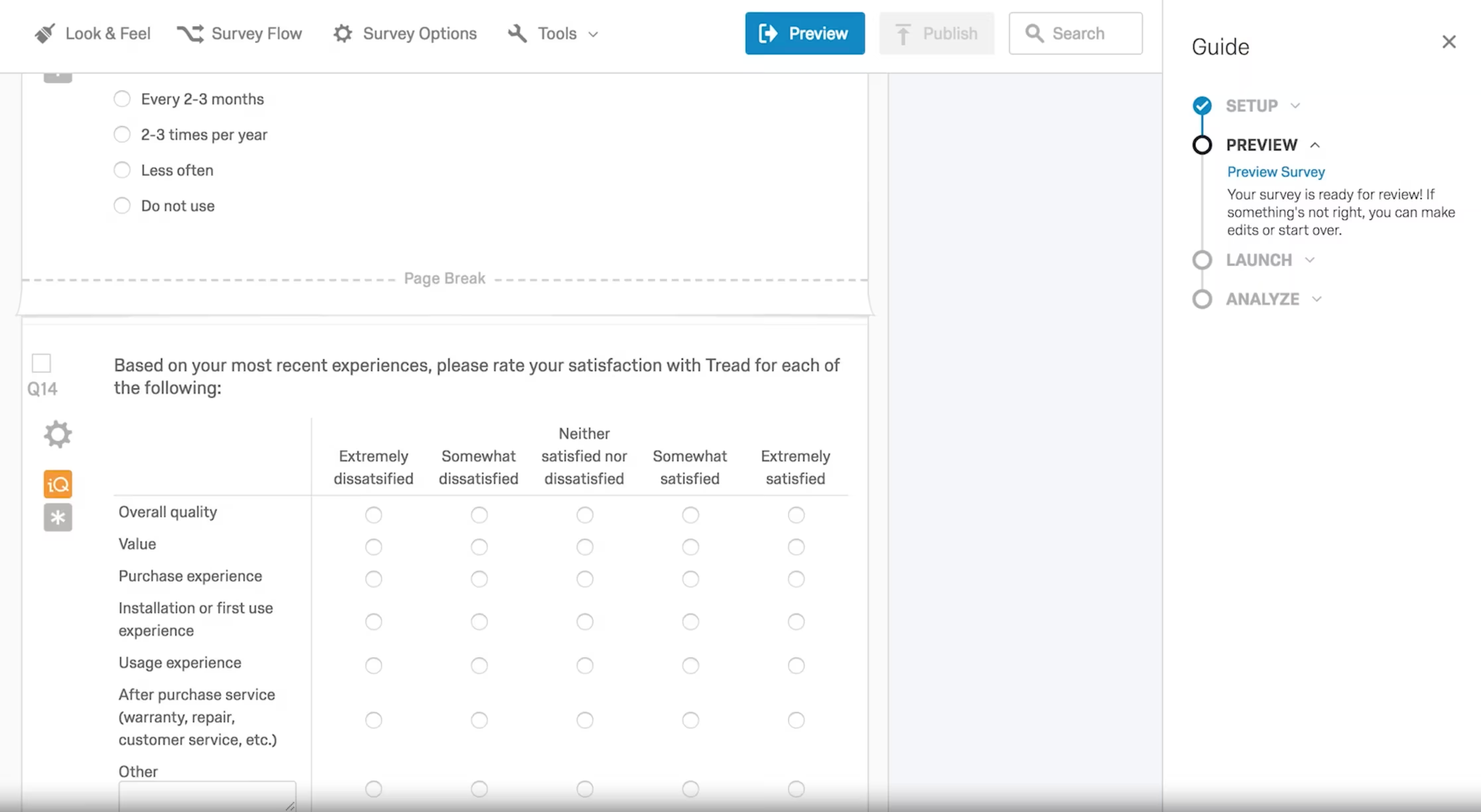
Qualtrics XM for Customer Experience captures feedback across web, mobile, email, SMS, contact centers, and social media. Its analytics layer uses AI to identify key satisfaction drivers, flag churn risk, and surface patterns in open-ended responses. Frontline Care routes feedback to the right team in real time and automates closed-loop workflows.
You can read our full breakdown in the Qualtrics alternatives article if you want a deeper look at where it sits in the market.
Who is Qualtrics primarily for?
Large enterprises with dedicated CX teams, established research functions, and complex multi-channel programs that justify the cost and setup time.
What's Qualtrics' ease of use?
G2 rates it 8.4/10 on ease of use. Powerful, but with a learning curve. Reviewers describe the survey builder as sophisticated yet time-intensive to configure for new users.
What's Qualtrics' customer support like?
Phone, email, and live support are available. Enterprise accounts get dedicated customer success managers. Many G2 reviewers note that meaningful implementation support requires professional services engagements at additional cost.
What are the main pros of Qualtrics XM?
- Research-grade survey capabilities with advanced logic, branching, and skip patterns
- Real-time dashboards with role-based views for executives, frontline managers, and agents
- Omnichannel feedback: web, mobile, email, SMS, social
- AI analytics including Text iQ for open-ended analysis and Stats iQ for predictive modeling
- Deep CRM integrations with SAP, Salesforce, and Workday
- Employee experience and market research modules in the same platform
What are the main cons of Qualtrics XM?
- Custom enterprise pricing; no published plans
- Implementation takes weeks to months for full deployment, based on G2 and Capterra reviews
- Some advanced analytics are not included by default: Stats iQ is a paid add-on, and Advanced Text iQ gates key features like sentiment analysis and recommended topics
- Integration limitations with helpdesk tools flagged by multiple G2 reviewers
- Expensive and complex for teams with straightforward NPS/CSAT tracking needs
Pricing
Qualtrics pricing is quote-based for CX and enterprise deployments. Its only public self-serve plan, Strategic Research, starts at $420/month for 1,000 responses, but that is closer to a standalone research license than a full CX platform. Buyer-reported contracts usually land in the tens of thousands per year and can go much higher.
My hot take: How does it compare to Medallia for CX teams?
Qualtrics and Medallia compete for the same enterprise buyer, and for good reason: both offer research-grade depth, advanced analytics, and omnichannel coverage. If you're already comparing Medallia and want more flexibility in research capabilities, or need a broader platform covering employee and market experience too, Qualtrics is the more versatile option. For a CX-only team that just needs to collect feedback, analyze customer sentiment, and close the loop in CS tools, either platform is more infrastructure than the job requires.
InMoment: Enterprise CX intelligence with managed services
InMoment is a cloud-based CX intelligence platform targeting large enterprises in retail, hospitality, healthcare, and financial services. Its strength is aggregating and analyzing feedback from multiple sources - surveys, reviews, social, contact center interactions - through an AI-powered analytics layer.
Important context: InMoment was acquired by Press Ganey Forsta in May 2025. Press Ganey Forsta has since been acquired by Qualtrics. The product still exists, but buyers should ask what happens next: which roadmap survives, how support changes, and whether multi-year contracts protect them if the portfolio is consolidated.
What does InMoment do?
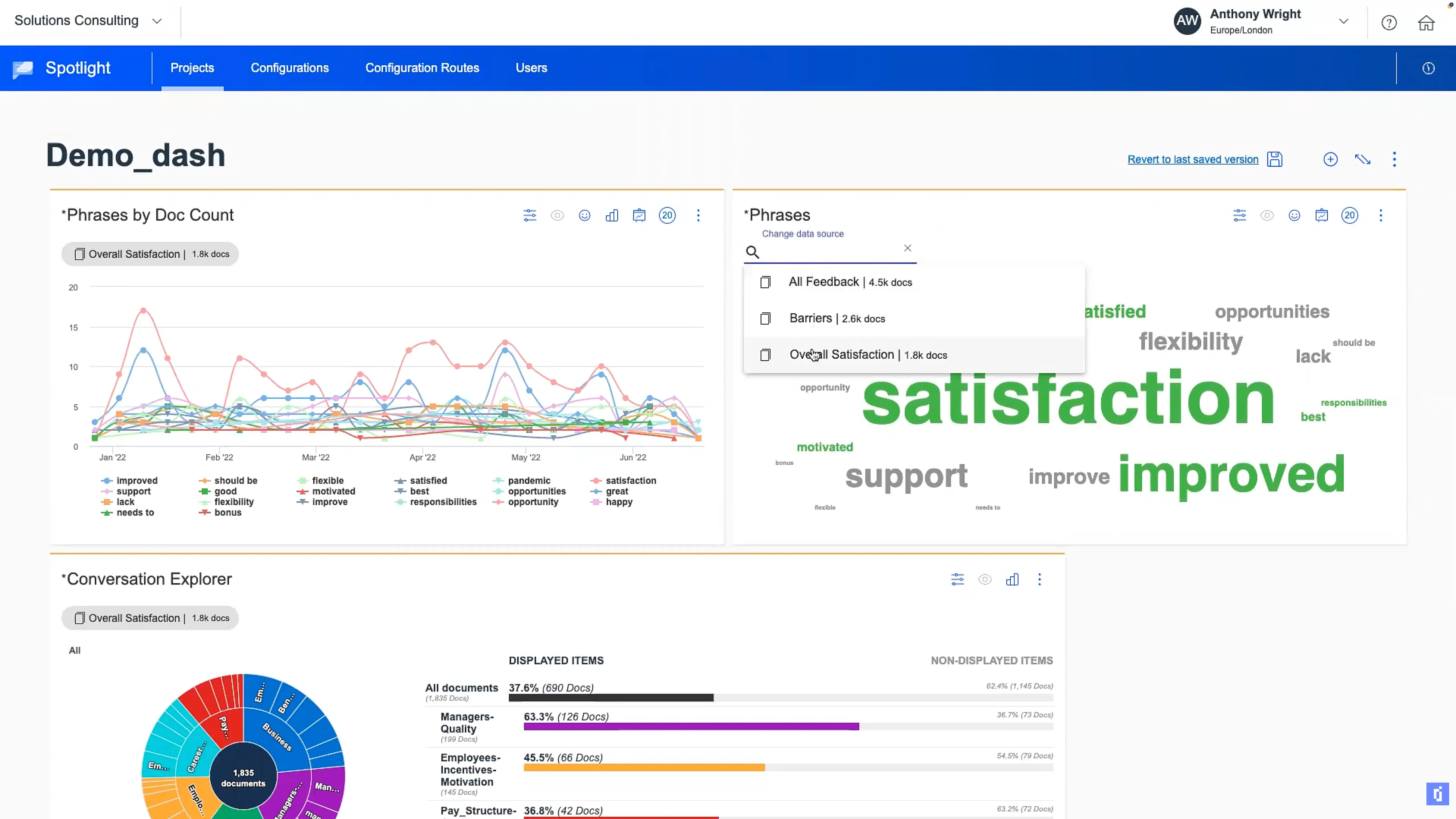
InMoment captures feedback across web, mobile, email, SMS, contact centers, and in-store interactions. Its AI engine handles text analysis, sentiment detection, and theme clustering across all feedback sources. It also includes closed-loop workflow automation to route issues to the right teams.
Unlike most tools on this list, InMoment sells both platform and expertise. For CX teams without in-house program owners, that managed-services model can be useful. For teams that want to move fast on their own, it can feel heavy.
Who is InMoment primarily for?
Large enterprises (typically 1,000+ employees) in traditional B2C industries with dedicated CX functions and a budget for complex deployments. Mid-market companies sometimes evaluate InMoment but often find the pricing and operational overhead exceeds their needs.
What's InMoment's ease of use?
InMoment can work well once the program is set up, but it is not the best fit for teams that want full self-serve control. Some G2 reviewers praise the dashboard, while others complain that survey and email changes are slow, inflexible, or tied to support hours.
What's InMoment's customer support like?
White-glove managed services for enterprise accounts. Reviewers on G2 and Capterra praise the CX consulting access but flag slower response times on self-service support requests. The managed model works for teams that want a partner; it's frustrating for teams that want to move independently.
What are the main pros of InMoment?
- Omnichannel feedback aggregation: surveys, reviews, social, contact center interactions
- AI text analytics with sentiment detection and theme clustering
- Managed services and CX consulting for enterprise teams
- Closed-loop workflow automation with routing and escalation
- Enterprise security and compliance
What are the main cons of InMoment?
- Complex implementation requiring contracted service hours
- Self-serve survey edits often require support tickets
- No transparent pricing; you need to schedule a demo and get a quote from sales team
- Roadmap and product uncertainty following the 2025 acquisition chain
- Not an easy option if your CX team wants to launch and adjust in-product surveys without vendor help
Pricing
InMoment does not publish standard plans, so buyers need to request a quote. Third party data suggests InMoment is usually a serious enterprise investment. Based on Vendr transaction data, total annual contract values for mid-market and enterprise buyers typically range from approximately $40,000 to over $300,000.
My hot take: How does it compare to Medallia for CX teams?
InMoment sits closer to Medallia than anything else on this list. The main differentiators: InMoment leans harder into managed services (it's almost an agency-platform hybrid), and its AI analytics approach uses its own proprietary models versus Medallia's Athena AI engine.
If you're a Medallia customer looking for comparable depth with more advisory support built in, InMoment is worth evaluating. That said, the Qualtrics acquisition means any CX team committing to a multi-year InMoment contract should ask hard questions about what changes in the foreseeable future.
AskNicely: Frontline-focused NPS and CSAT for service businesses
AskNicely is purpose-built for service-oriented businesses that want to connect customer feedback directly to frontline team performance. Think healthcare practices, HVAC companies, automotive dealerships, and multi-location hospitality brands.

What does AskNicely do?
AskNicely collects feedback through email, SMS, QR code, mobile app, and in-app surveys. It surfaces scores and feedback at the individual employee and location level, giving managers real-time visibility into where customer experience is strong and where it needs coaching.
On higher plans, its Frontline Coaching becomes the defining differentiator: it connects survey scores to individual employees so managers can act on feedback at the source, not just in aggregate dashboards.
Who is AskNicely primarily for?
Service businesses where individual employee behavior directly drives customer satisfaction. Healthcare groups, HVAC companies, salon chains, financial services branches, and multi-location retail are common customers. Digital-first B2B SaaS teams are not the target market.
What's AskNicely's ease of use?
G2 reviewers rate AskNicely 4.7/5, with strong marks for ease of setup and dashboard clarity. The survey creation flow is intentionally simple. Some reviewers on Capterra note that advanced integrations required support assistance and that navigation outside core NPS features could be improved.
What's AskNicely's customer support like?
Chat and email support on all plans. Accounts above a certain spend threshold get a named Customer Success Manager. Some G2 reviewers mention slower response times outside North American business hours.
What are the main pros of AskNicely?
- Frontline coaching tools connecting NPS/CSAT scores to individual employees and locations
- Automated NPS, CSAT, and CES surveys via email, SMS, and web
- Clear manager dashboards to track performance by team, region, or individual
- Salesforce, HubSpot, and Zendesk integrations
- Mobile app for real-time score tracking and frontline recognition
What are the main cons of AskNicely?
- Custom pricing only; no publicly listed plans (contact for quote)
- No free trial; a demo is required before account creation
- Limited survey types (NPS, CSAT, CES, 5-star only); no multi-question research surveys
- No event-based or behavioral in-product survey targeting
- Multilingual support is manual; you need a separate template for each language and won’t get automatic translation of responses in the platform
- Primarily suited to traditional service industries; limited utility for digital/SaaS CX teams
Pricing
AskNicely does not publish fixed plan prices on its website, but SoftwareSuggest cites starting contracts from $199/month. Pricing scales by response volume, with annual plans and no free trial.
My hot take: How does it compare to Medallia for CX teams?
AskNicely solves a narrower problem: connecting NPS and CSAT at the service interaction level to the people responsible for delivering the experience. For a healthcare group or multi-location service company, that focus is a strength, not a limitation.
For Medallia customers at service businesses who find the platform overbuilt for their actual needs, AskNicely gives them a narrower, more focused alternative: less enterprise platform, more frontline coaching. For digital or SaaS CX teams, it's the wrong fit. You can also look at how AskNicely stacks up in our Delighted alternatives comparison, which covers it alongside Survicate and Qualtrics.
Retently: NPS, CSAT, and CES automation for SaaS and ecommerce
Retently is a focused CX feedback platform built around automating NPS, CSAT, and CES at key moments in the customer lifecycle. It's built for two audiences: B2B SaaS teams tracking customer health, and e-commerce brands measuring post-purchase satisfaction.
What does Retently do?
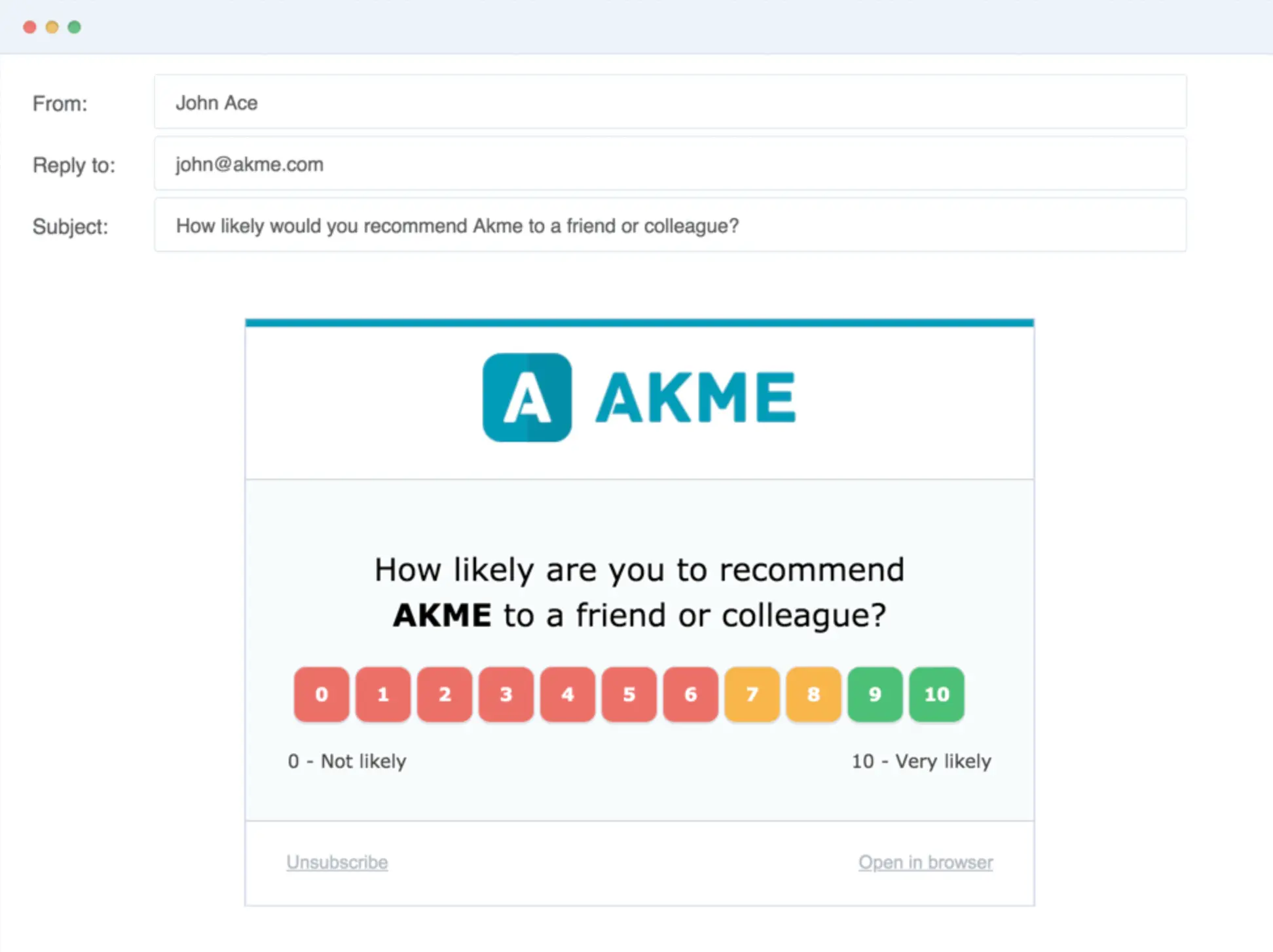
Retently automates survey delivery via email, in-app web surveys, link, Intercom messenger, and kiosk. Its campaign system lets you trigger surveys based on time intervals or external events: a Shopify order, a Zendesk ticket close, a HubSpot deal stage. Response analysis covers AI topic clustering, trend visualization, and closed-loop follow-up workflows.
Its AI CX agent analyzes patterns across surveys, reviews, and support tickets to surface what's breaking and why, across your customer base. That helps teams measure customer satisfaction at scale without manual triage.
Who is Retently primarily for?
B2B SaaS companies tracking customer health and NPS across the lifecycle, and e-commerce brands running post-purchase CSAT and NPS programs. Particularly useful for teams using HubSpot, Shopify, Gorgias, Klaviyo, or Salesforce.
What's Retently's ease of use?
Some G2 comments point to fast campaign setup and intuitive automation. Reviewers praise Retently for fast setup and ease of use, but the Basic plan is self-service, so teams need to be comfortable running campaigns without much hand-holding.
What's Retently's customer support like?
Basic includes knowledge base and email support. Pro adds live chat and Zoom support.
G2 and Capterra reviewers consistently praise the support team's speed and helpfulness, but the Basic plan's limited support is noted by some reviewers as a gap for teams new to NPS programs.
What are the main pros of Retently?
- Clean automation for NPS, CSAT, and CES without enterprise-level complexity
- Event-triggered surveys connected to Shopify, Gorgias, Zendesk, Salesforce, and other connected tools
- AI feedback classification and topic analytics across surveys, reviews, and support tickets
- 14-day free trial, no credit card required
- Plans limit survey sends, not collected responses
- Above-average response rates, per company-published case study data
What are the main cons of Retently?
- No free plan; Basic is self-service with limited support
- Too narrow for broader research. Retently is built around NPS, CSAT, and CES workflows, not discovery surveys or multi-source research synthesis
- No native mobile SDK. Retently supports web in-app pop-ups, but not deep native iOS or Android targeting
- Some Capterra reviewers mention complexity with contact throttling across multiple campaigns
Pricing
Paid plans start at $49/month and go up to $299/month before custom Enterprise pricing. A 14-day free trial is available.
My hot take: How does it compare to Medallia for CX teams?
Retently is a focused tool for automating NPS, CSAT, and CES across SaaS and ecommerce touchpoints. Medallia is a full enterprise VoC platform that covers far more ground.
If you've been using Medallia mainly for NPS and CSAT automation, Retently gives you a simpler way to run that workflow. The trade-off is scope. Retently will not cover enterprise VoC, contact center analytics, employee experience, or deeper research synthesis. For SaaS and ecommerce CX teams with a clear metric-led program, that narrower focus may be enough. See how the NPS vs CSAT tradeoffs work if you're still deciding which metric to lead with.
SurveyMonkey: Flexible general surveys for basic CX tracking
SurveyMonkey is a popular survey platform, used across CX, HR, market research, and academic contexts. For CX teams, SurveyMonkey covers the survey side: NPS, CSAT, CES, templates, reporting, AI analysis, and CRM integrations. The gap shows up when feedback needs to become a closed-loop CX program.
What does SurveyMonkey do?
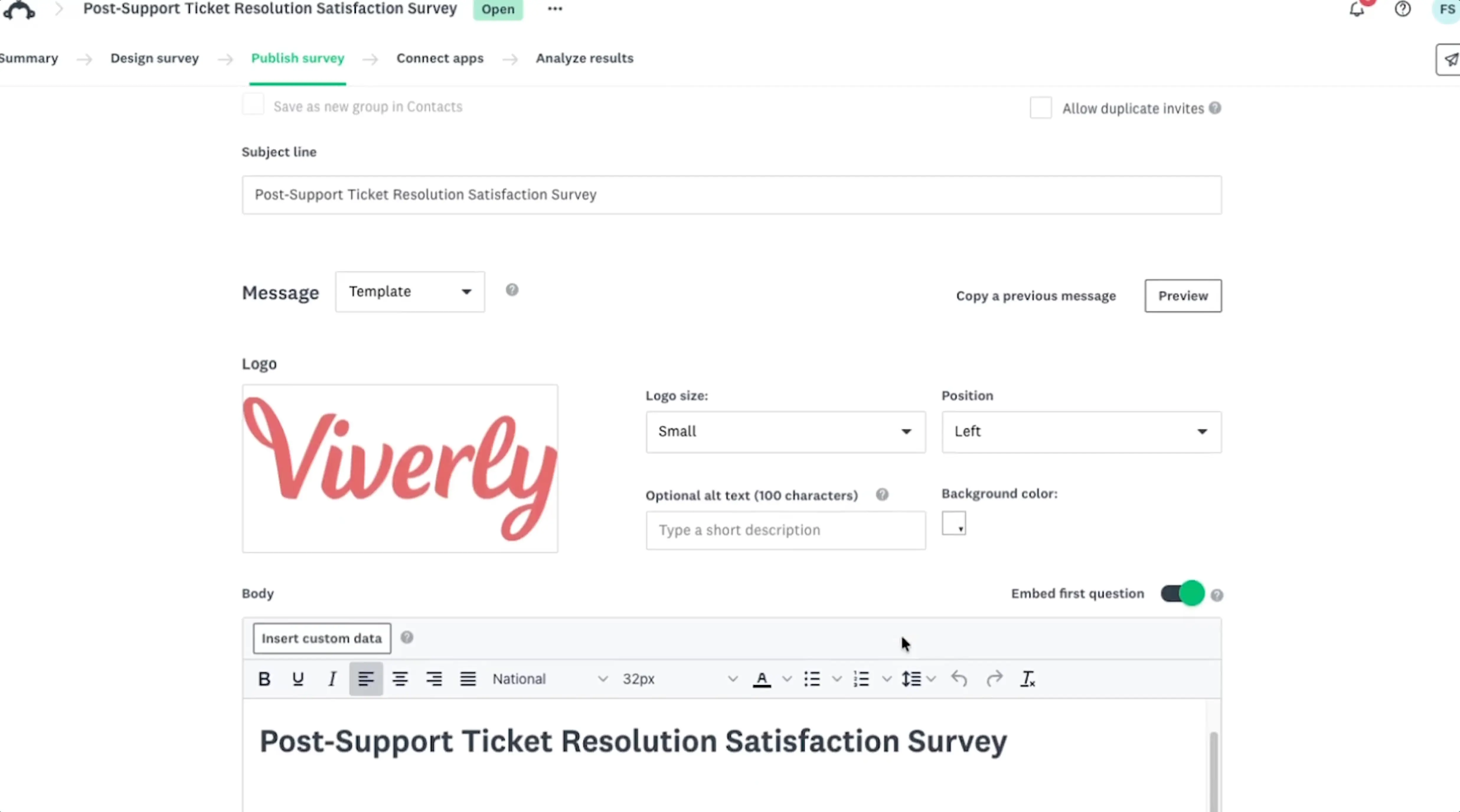
SurveyMonkey provides survey creation, distribution, and reporting across web links, email invitations, embedded forms and other collectors. It includes NPS, CSAT, and CES templates, basic targeting, and integrations with CRM tools. HubSpot and Salesforce integrations push survey data back into CRM records.
For a deeper look at how it compares for dedicated feedback use cases, the SurveyMonkey alternatives breakdown covers the tradeoffs in more detail.
Who is SurveyMonkey primarily for?
Teams that need a familiar, flexible survey tool across multiple use cases (CX, HR, research). Common at organizations where survey tooling is shared across departments rather than owned by a dedicated CX function.
What's SurveyMonkey's ease of use?
Generally easy to navigate, with a fast survey builder, although G2 reviewers note that the advanced reporting layer doesn't match dedicated CX platforms in depth.
What's SurveyMonkey's customer support like?
Email support on standard plans; phone and chat on higher tiers. Limited support on entry plans is a consistent G2 complaint from teams that hit technical issues.
What are the main pros of SurveyMonkey?
- Wide coverage: NPS, CSAT, CES, and hundreds of templates
- Broad integration ecosystem (HubSpot, Salesforce, Zapier, Slack)
- Familiar interface with minimal learning curve
- Flexible distribution: email, web, mobile link
- Mature documentation and templates for many survey use cases
What are the main cons of SurveyMonkey?
- Not a dedicated VoC or CX platform; lacks closed-loop automation
- Pricing increases quickly as response volume and features are added
- Weak behavioral or event-based targeting compared to dedicated CX tools
- Advanced reporting locked behind higher tiers
- Weak after-response workflow; teams may need extra tools for routing, ownership, and follow-up
Pricing
Starts from $25/month billed annually. Team and Enterprise plans scale with users and features. See our deep-dive into SurveyMonkey's 2026 pricing here.
My hot take: How does it compare to Medallia for CX teams?
SurveyMonkey is a survey tool that teams use when they need something simple and familiar without the budget for a dedicated platform. The gap is CX operations: deep VoC analytics, contact center workflows, case ownership, and multi-source feedback synthesis.
If you're leaving Medallia because it's too expensive and complex, SurveyMonkey can handle basic satisfaction tracking. If you need to act on CX data at scale, connect it to your CS stack, and surface patterns from open-ended responses, you'll hit its ceiling quickly.
Zendesk Suite: Customer service with built-in post-ticket CSAT
Zendesk is a customer service platform, not a CX feedback platform. But for CX leaders whose primary satisfaction metric is post-interaction CSAT tied to support tickets, it covers the core use case natively and with minimal additional setup.
What does Zendesk do?
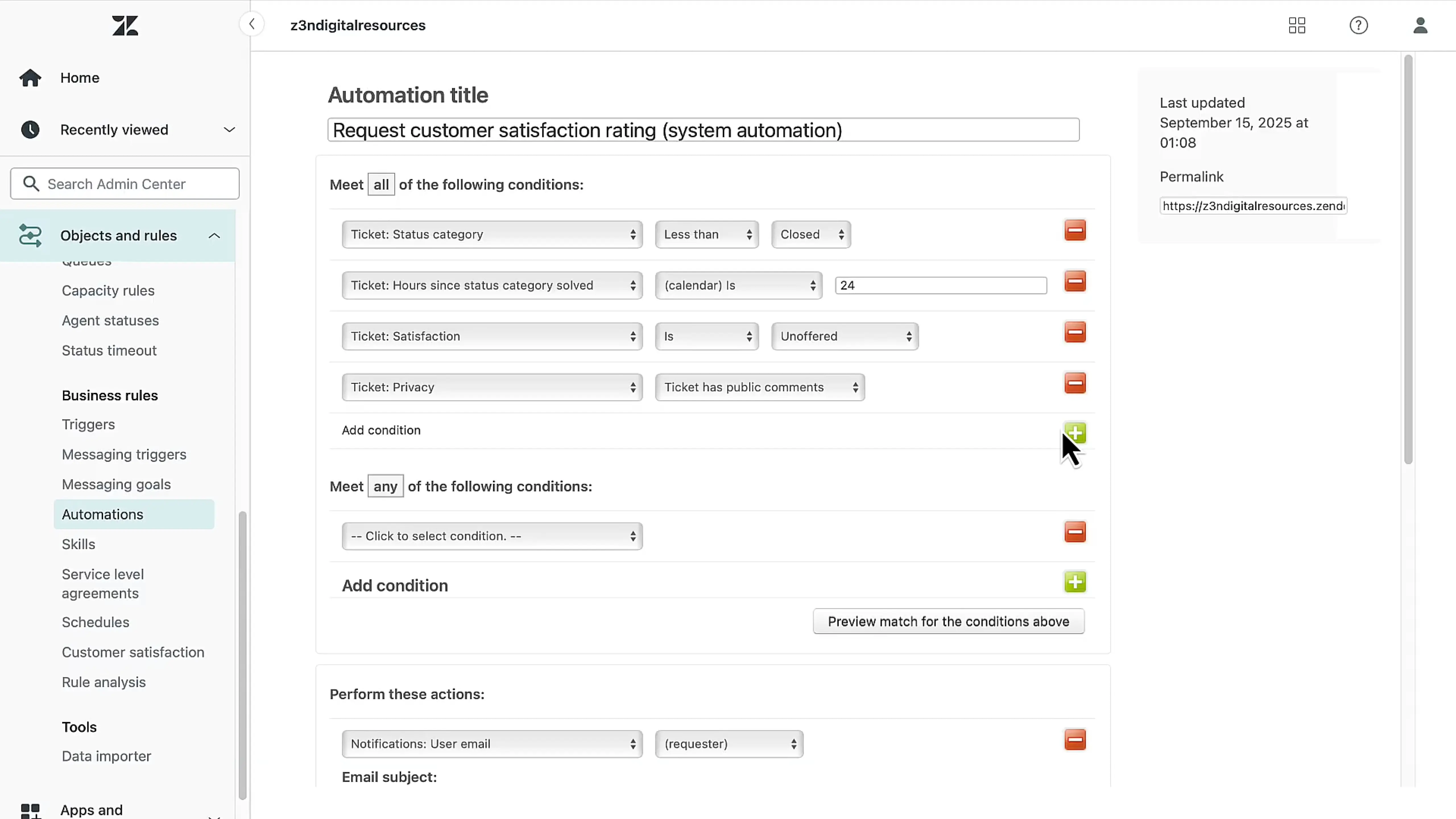
Zendesk Suite bundles ticketing, live chat, email, and voice support in one platform. Its built-in CSAT survey fires automatically when a ticket closes. NPS and CES measurement, or any proactive feedback outside of support interactions, requires either a higher Zendesk tier or a separate survey tool integrated with Zendesk.
Teams that need more than post-support CSAT often pair Zendesk with a survey tool. Zendesk runs the support workflow; a tool like Survicate adds NPS, CES, in-product surveys, and AI analysis across support and non-support feedback. Good customer service experience practices tend to combine both layers.
Who is Zendesk primarily for?
Support teams and CX leaders whose CX program centers on support interactions. Strong fit if your team runs support and CX measurement under one roof and wants a single platform for both.
What's Zendesk's ease of use?
Easy to navigate for support workflows. Building advanced CSAT configurations or adding custom survey questions requires more technical effort.
What's Zendesk's customer support like?
Zendesk has a large help center and customer community, while direct support depends on plan and account type. Support quality varies by plan tier, per G2 reviewers.
What are the main pros of Zendesk?
- Single platform for support operations and post-ticket CSAT
- Automatic CSAT survey firing when tickets close
- Rich reporting on support performance and satisfaction trends
- Strong integrations (Slack, Salesforce, Jira, Survicate)
- Extensive marketplace of third-party apps
What are the main cons of Zendesk?
- Only basic CSAT built in; NPS and CES require a separate survey tool
- Limited to support touchpoints; no proactive or in-product feedback collection
- Per-agent pricing scales costs quickly for growing support teams
- Not a standalone CX measurement platform for multi-channel VoC programs
Pricing
Customer service plans start at $19/month per agent. Zendesk Suite starts at $55/month per agent and goes up to $115/month per agent before custom Enterprise pricing. AI, QA, workforce management, and contact center capabilities can add $50/month per agent each.
My hot take: How does it compare to Medallia for CX teams?
If your CX program is really a support program, Zendesk gives you CSAT out of the box that will likely be much more cost-effective than Medallia. If you need lifecycle NPS, CES, proactive in-product surveys, or feedback analysis beyond tickets, you’ll need a dedicated survey layer on top.
SurveySparrow: Conversational surveys designed to raise completion rates
SurveySparrow's defining feature is its conversational chat-style survey format, designed to improve completion rates on NPS and CSAT surveys compared to traditional static forms. For CX teams where low response rates are the primary complaint, that's a real differentiator worth testing.
What does SurveySparrow do?
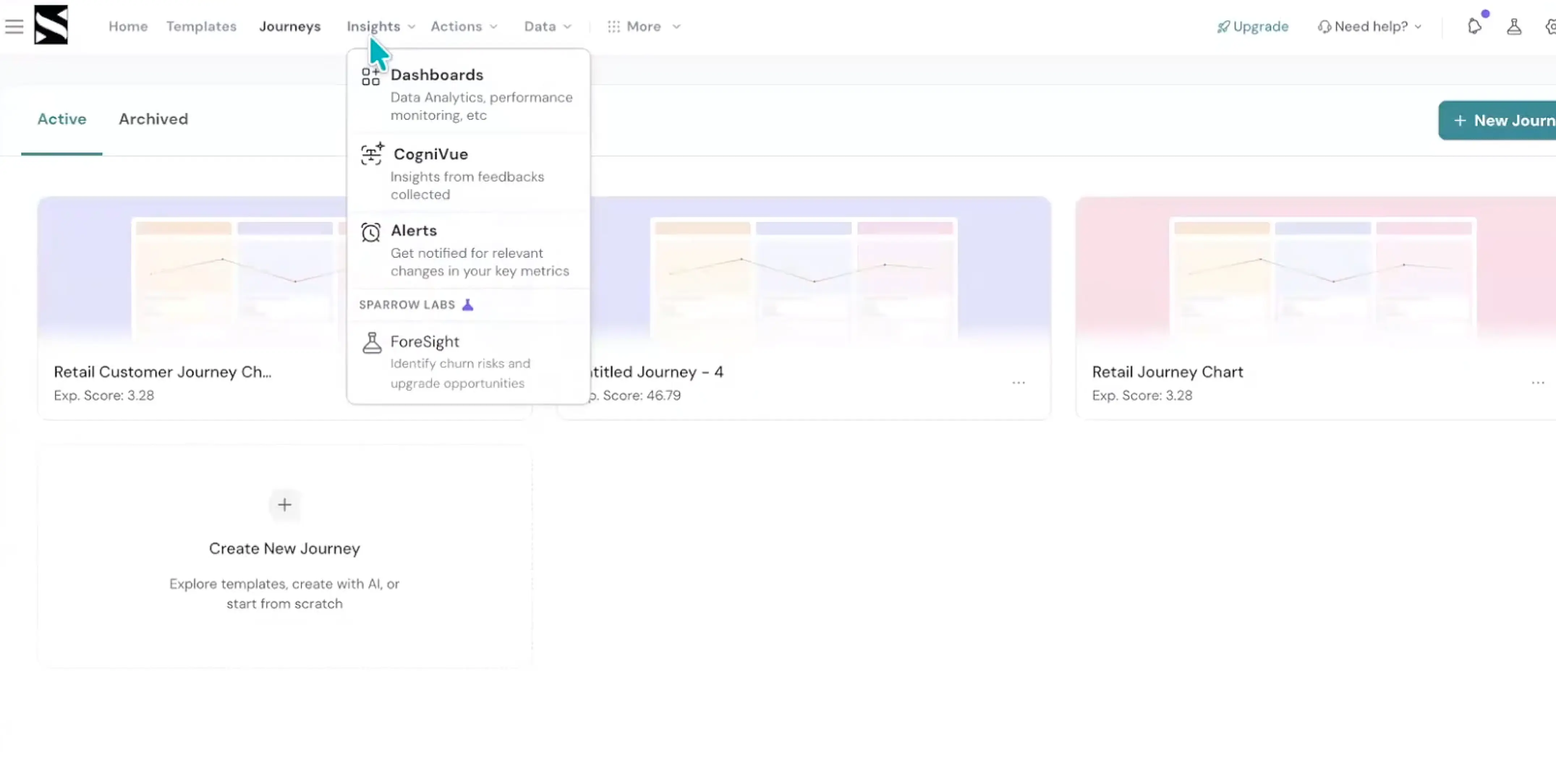
SurveySparrow lets teams build NPS, CSAT, CES, and custom surveys in a conversational format. Distribution covers email, SMS, web links, mobile SDK, and other share options. Its Executive Dashboard gives CX leaders a satisfaction score overview over time. It also covers employee experience surveys, making it a broader platform for organizations that want one tool across CX and HR.
Who is SurveySparrow primarily for?
Small to mid-market teams that want to improve survey engagement. Covers both customer and employee feedback use cases, which suits companies that want a single survey platform across departments.
What's SurveySparrow's ease of use?
Well-reviewed for ease of use and fast setup. The conversational builder is intuitive. Some reviewers flag that the UI outside the core survey flow is less polished.
What's SurveySparrow's customer support like?
Chat and email support. G2 reviews are generally positive on responsiveness, with some inconsistency noted by reviewers.
What are the main pros of SurveySparrow?
- Conversational survey format designed to improve completion rates
- Multi-channel distribution: email, web, in-app, SMS
- Recurring survey automation for relationship NPS programs
- Covers both CX and employee feedback
- White-labeling options -> White-labeling and custom branding options on higher plans
What are the main cons of SurveySparrow?
- Limited advanced analytics compared to dedicated CX platforms
- Check integration depth before buying; not every CX workflow will be native or easy to run
- Limited product targeting. Supports intercepts and events, but not deep in-app workflows
- Not suitable as a VoC platform for complex, multi-source programs
- Some reviewers cite pricing as high relative to feature depth
Pricing
Paid plans start at $19/month and go up to Business plans around $79/month before custom Enterprise pricing. A free plan and 14-day free trial are available.
My hot take: How does it compare to Medallia for CX teams?
SurveySparrow makes sense when the main issue is survey engagement: teams want conversational NPS, CSAT, CES, and employee surveys without rolling out a full enterprise-level platform.
That focus has limits. If you need contact center analytics, deep text analysis across multiple feedback sources, mature closed-loop workflows, or heavy CRM and CS integration, SurveySparrow will not replace Medallia. It's a good fit for CX teams with straightforward feedback collection needs, not for teams running mature VoC programs.
Is Medallia right for you? The final verdict
Medallia remains one of the most capable enterprise VoC platforms available. For a large organization managing customer experience across dozens of touchpoints, markets, and customer-facing teams, its depth can justify the investment. For most CX teams reading this, it won’t.
The real issue with Medallia for mid-market and digital-first CX teams is not its capabilities, but the ratio of capability to cost and operational overhead. The platform is built for organizations with a dedicated CX program manager, an IT team to manage integrations, and an enterprise-level budget. Most CX teams have a small function, a modest budget, and a need for something that can be set up and running this week.
Also worth noting: the market is in flux. Medallia changed private equity hands, InMoment was absorbed into Qualtrics, and Delighted shut down in June of 2026.
Which Medallia alternative should you choose?
For CX teams at SaaS or digital-first companies that need to collect feedback across digital channels, analyze recurring customer themes, and route insights back into their CRM or CS workflows: Survicate is where I'd start. It covers the core of what most teams in this description actually need, without the implementation overhead or pricing of an enterprise platform.
For enterprise CX programs that need research-grade survey design and a platform comparable in scope to Medallia: Qualtrics XM is the most direct alternative. Expect similar pricing and complexity.
For service businesses where frontline performance drives satisfaction (healthcare, home services, multi-location retail): AskNicely is built specifically for that context.
For SaaS or e-commerce teams that want clean, automated NPS and CSAT programs without enterprise complexity: Retently keeps the scope narrower and the setup lighter.
For teams whose CX program is primarily support-driven: Zendesk handles post-ticket CSAT natively, and pairing it with Survicate covers the full in-product feedback, and AI-assisted analysis.
If you want to understand how customer experience measurement connects to business outcomes before picking a tool, this guide is a solid starting point. And if you're trying to sort out which NPS alternatives to test for CX metric coverage, this is also worth a read.
FAQ
What is the best alternative to Medallia for CX teams?
The best alternative depends on your team size and program complexity. For mid-market SaaS and digital businesses, Survicate is a better fit when teams need to collect feedback across digital channels, analyze recurring customer themes, and push insights back into their CRM or CS stack, without rolling out a full enterprise VoC platform. For enterprise programs with complex research needs, Qualtrics XM is the most direct alternative. For service businesses focused on frontline experience, AskNicely is purpose-built for that context.
How does Medallia pricing compare to alternatives?
Buyer reports and industry estimates usually place Medallia Medallia in the six-figure range annually, based on a per-Experience Data Record pricing model. By comparison, SurveyMonkey starts at $25/month, Retently starts at $49/month, and Survicate starts at $56/month. Qualtrics and InMoment are also enterprise-priced with custom quotes. For most mid-market CX teams, dedicated multi-channel survey and feedback tools offer comparable coverage at a fraction of the cost.
Is Medallia being discontinued?
No. Medallia is still being actively sold, although its ownership structure changed significantly after Thoma Bravo, the private equity firm that took it private, wrote down the acquisition. The platform is still developed and supported, but CX teams considering long-term contracts should ask vendors directly about current roadmap commitments and ownership stability.
What's the difference between Medallia and Qualtrics for CX?
Both are enterprise VoC platforms with similar pricing and complexity. Qualtrics is stronger for research-grade survey design and broader platform coverage (employee experience, market research). Medallia is known for contact center analytics, its Athena AI engine, and closed-loop action workflows. For most CX teams, the choice comes down to existing vendor relationships and contract terms rather than a fundamental capability difference.
Author’s note (last verified: 19 June 2026): Statements such as ‘best’ reflect our opinion and typical use cases, not a universal guarantee. This comparison is based on publicly available information and our best understanding at the time of writing. Vendors may change features, pricing, and packaging without notice. For the latest details, please check the official sources or reach out to the vendor directly.



.webp)
.svg)

.svg)